1. Confirm the property is released
If police were involved, cleanup starts after they release the space. The owner or family can check with the agency.
Shelby, MT · Toole County
Do not clean up drug items alone. In Shelby, call (877) 812-4220 and a cleanup team can handle syringes, bags, foil and powders with protective gear, then disinfect the affected area.
If anyone is in danger, call 911 first. For a suicide crisis, call or text 988.
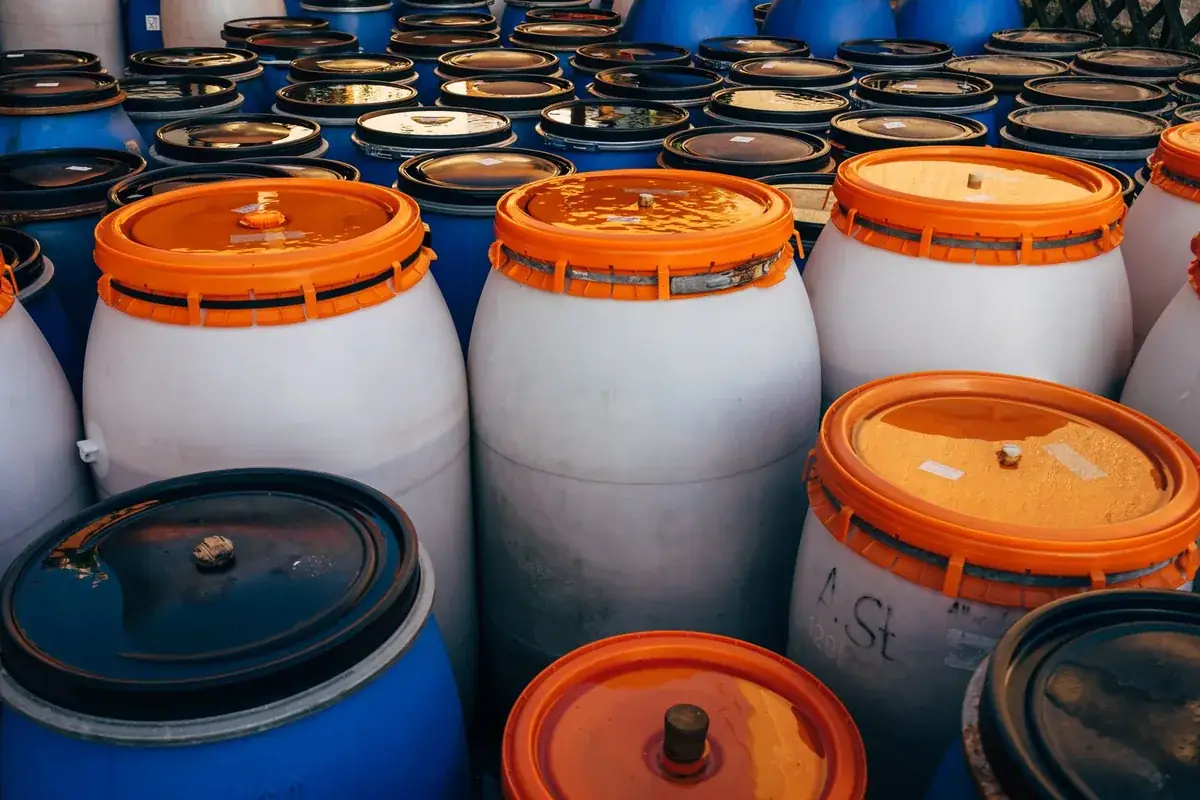
Cleaning a space after drug use can include removal of bedding, carpet or upholstery that took in residue, along with disinfection of hard surfaces and treatment of odor.
After a tenant leaves, you may find needles, residue or stained rooms in your Shelby property. Call Shelby Biohazard Cleanup Help for a team that collects sharps safely, removes soiled materials and cleans the unit, anywhere in Toole County.
Vacant housing is about 20% of homes in Toole County. Empty buildings can hold hidden syringes and residue, and owners often check them before repairs or sales. After a needle stick or exposure to an unknown substance, get medical care. Logan Health - Shelby in Shelby is the closest emergency room to Shelby.
The work often covers:
If police were involved, cleanup starts after they release the space. The owner or family can check with the agency.
Items are removed room by room, so contaminated materials are not dragged through clean areas.
Paraphernalia goes into sealed containers, and hard surfaces are cleaned with EPA-registered products.
Waste leaves the property, and the owner can ask for a summary of what was removed and cleaned.
The cost of drug paraphernalia cleanup in Shelby, MT depends on the amount of material, how it is packed and how it is hauled.
The number of rooms affected is a major factor. One bedroom needs less time than a whole house or a large rental unit.
| Type of job | Typical range |
|---|
Estimates only, not a quote. Sources: . Price drivers include amount of material, whether residue is present, surfaces affected, waste disposal. Call (877) 812-4220 to talk through the job.
It can. Powders and stains may stay on floors, furniture, bedding and in vents after the items are gone. That is why a team cleans and disinfects the surfaces and removes soft materials that cannot be cleaned. Ask what the plan covers.
Standard paraphernalia cleanup is about removal, cleaning and disinfection. Testing is a separate step, usually tied to a site where drugs were made. Ask the team and the local health department what testing, if any, applies to your property.
Vehicles can hold syringes, residue and odor in seats, carpets and vents. Ask whether the team cleans vehicles and how soft materials are treated. Crews use the same protective gear and sealed containers as in a building.
It can. Once soiled items are removed, a team can treat lingering odor in the air and on surfaces. Ask what methods the team uses and whether odor treatment is part of the plan or a separate step.
No. Drug paraphernalia cleanup removes used items and cleans surfaces. A site where drugs were made is a different job with its own testing and clearance steps. If you think drugs were made in the home, say so when you call.
Crews wear protective gear, remove sharps and loose items, and then clean hard surfaces with EPA-registered disinfectants. Porous materials such as carpet, padding or upholstery that took in residue may be removed. The team can explain what applies to your space.
Ask about discreet arrival in an unmarked vehicle if privacy matters.
Call (877) 812-4220